The story behind Thailand’s Mother’s Day
อัปเดตเมื่อ: 10 สิงหาคม 2569 เวลา 17:57อ่าน 3 นาที
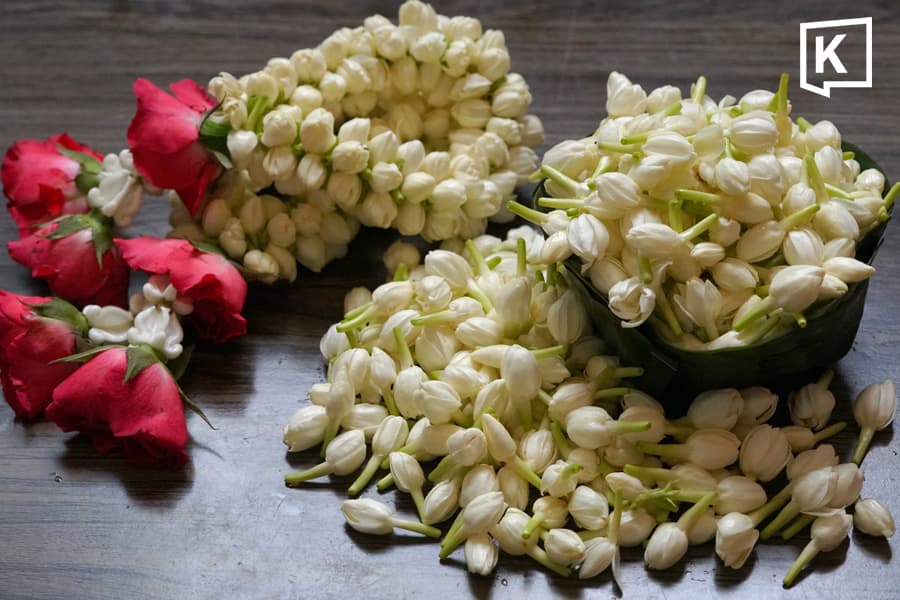
Each August, jasmine becomes one of Thailand’s most meaningful flowers. Its small white blooms are traditionally woven into garlands and offered to mothers on Mother’s Day, a gesture of gratitude, respect and enduring love. This year, those garlands may be harder to find. With just days to go before the 12 August holiday, jasmine supplies are running low as demand outstrips production. A source at the Department of Internal Trade said output is below usual levels, while demand has surged; some areas have already run out. Officials will inspect jasmine and other fresh-flower prices at Pak Khlong Talat 1 and 2, Bangkok’s main flower markets, on 11 August. Some vendors have reported prices of up to 2,000 baht per kilogram ahead of the holiday. The scramble for jasmine is a small window into the deeper meaning of Mother’s Day in Thailand: a holiday shaped by family traditions, royal commemoration and a history that has changed repeatedly over the decades. Why jasmine?
อ่านข่าวในหมวด ธุรกิจ เพิ่มเติมได้ที่ Thailand Paper
The flower most associated with Thailand is known in Thai as dok mali (ดอกมะลิ), generally Jasminum sambac : small white buds with a powerful, sweet fragrance. It has long been used in phuang malai , the hand-strung floral garlands offered at temples and shrines, given to respected elders and guests, or hung in homes, businesses and vehicles as gestures of respect and good fortune. Jasmine also appears in Thai food and drink, where its scent is used to perfume desserts and water. But it is the flower’s freshness and fragrance that make it particularly prized for garlands. The blooms are delicate and short-lived, so they are usually picked and sold quickly. Its white colour is commonly associated with purity and gentleness. For Mother’s Day, its lingering scent is widely understood to represent a mother’s lasting love. Thailand’s flower for mothers Jasmine has deep roots in Thai religious and domestic life, but its formal link to Mother’s Day is more recent. When 12 August was designated National Mother’s Day in 1976, jasmine became the flower most closely associated with the occasion. Garlands are commonly given to mothers, grandmothers and other maternal figures as an expression of love and gratitude. The demand is tightly concentrated into only a few days each year. Growers, wholesalers, garland makers, schools and families are all seeking fresh jasmine at the same time for ceremonies, offerings and gifts. That is why a modest fall in production can quickly result in a shortage. Why is Mother’…
อ่านรายละเอียดต้นทางได้ที่ ข่าวสด